Bringing Peruvian Art to Life in Your Creative Projects
There’s a moment in every creative project where you feel it’s missing something—a spark of personality, a layer of depth that makes the final piece truly resonate. I’ve found that one of the most effective ways to inject that energy is through a well-chosen typeface. Recently, I’ve been working with a premium font called Peruvian Art, and it’s quickly become a go-to for projects that demand a vibrant, culturally rich aesthetic without sacrificing modern usability.
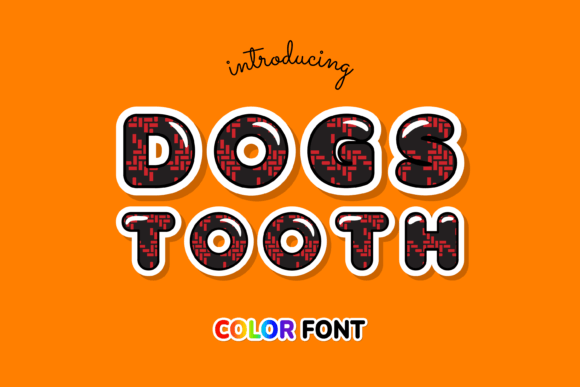
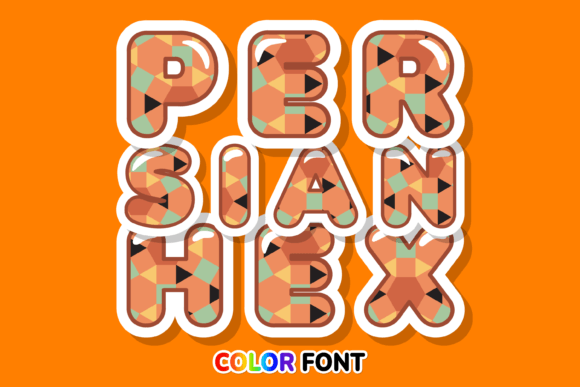
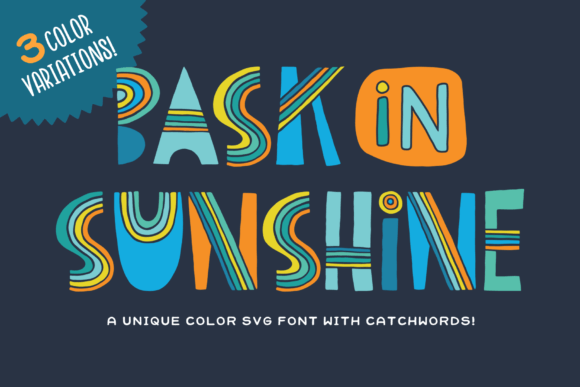
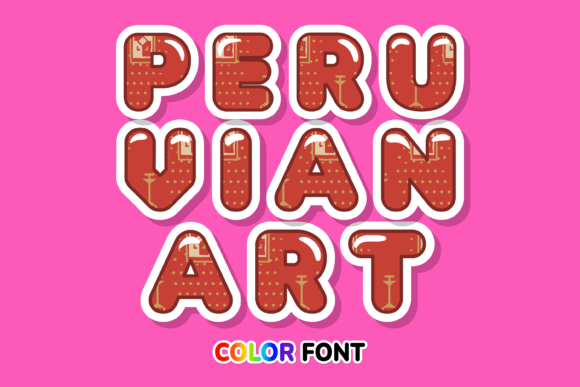
This isn't your standard display font. Peruvian Art is a color font, specifically an OpenType-SVG file. This means the color and texture are embedded directly into the font file itself. When you type, you get a multi-colored, painterly effect straight out of the box—no need to manually apply gradients or layer effects. The visual style draws clear inspiration from Peruvian textile patterns, folk art, and the bold, natural pigments of the region. Think deep terracotta, sunny gold, and earthy greens, all woven into a cohesive letterform. It has the weight and presence of a strong serif font but with the decorative flair of a handwritten font, making it incredibly versatile for creating a distinct brand identity.
Where Peruvian Art Truly Shines
The character of this creative font makes it a standout choice for specific applications. It’s not designed for body copy or dense paragraphs. Instead, it excels as a headline or accent font where its intricate details can be fully appreciated. I’ve seen it work brilliantly in packaging design for artisan goods, craft products, or anything related to travel, culture, or handmade markets. The texture gives an immediate sense of authenticity and craftsmanship.
For logo design, Peruvian Art can be the cornerstone of a brand that wants to project warmth, creativity, and a connection to heritage. It pairs surprisingly well with clean, geometric sans serif fonts or even a simple script font for a dynamic contrast. In editorial design—think magazine features, book covers, or poster art—it commands attention and sets a thematic tone instantly. Digital applications are equally strong. Use it for hero sections on websites, standout social media graphics, or email newsletter headers to stop the scroll. For crafters using compatible software, it’s a fantastic asset for custom invitations, scrapbooking, or DIY projects that need a professional, artistic touch.
Practical Guidance for Using This Typeface
Choosing a font like Peruvian Art requires a bit of strategic thinking. First, always test it in the context of your project. Because it’s a color font, its appearance can vary slightly across different software and backgrounds. Place it against light and dark surfaces to see how the embedded colors hold up. For web design, remember that while it can create stunning hero graphics, you’ll likely need to pair it with a highly readable sans serif font for navigation and body text to maintain readability and visual hierarchy.
When it comes to font pairing, less is more. Let Peruvian Art be the star. A neutral, modern typeface like Montserrat or Open Sans can provide the necessary balance for supporting text. Reviewing the included character set is also important. Does it have the punctuation, numerals, and language support you need? For commercial use, the licensing is straightforward—it’s a commercial font designed for professional projects, but it’s always wise to double-check the specific license agreement for your intended use, especially for large-scale distribution.
Ultimately, the value of a tool like Peruvian Art lies in its ability to convey a specific feeling. It’s more than just a collection of letters; it’s a design asset that carries cultural weight and artistic flair. By applying it thoughtfully, you can elevate a simple layout into something memorable, build a brand story that feels genuine, and connect with an audience on a more emotional level. It’s a powerful example of how modern typography can be both beautiful and functionally expressive.