Fiber Mesh: A Modern Color Font for Digital Creators
Understanding the Unique Appeal of Fiber Mesh
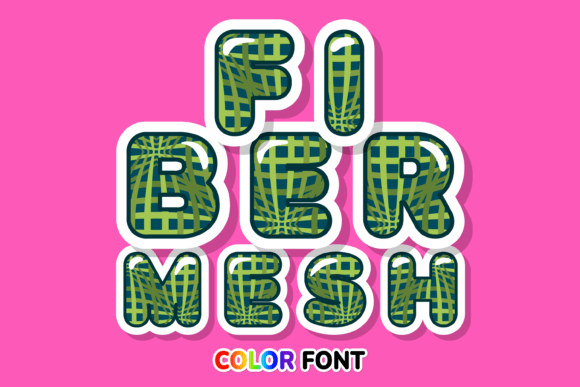
Fiber Mesh stands out immediately as a premium font that blends contemporary design with a distinctive textural quality. This isn't your typical typeface; it's a color font (Opentype-SVG), meaning the intricate, woven fiber pattern is embedded directly into the letterforms. The visual character is modern and slightly industrial, yet it carries an organic, handcrafted feel. Think of it as a display font with built-in depth and visual interest. The texture isn't an afterthought—it's integral to the design, giving each letter a tangible, almost tactile presence. This makes Fiber Mesh a powerful creative font for projects where you need to convey innovation, craftsmanship, or a bold, contemporary aesthetic. Its personality is confident, detailed, and unapologetically modern, making it a fantastic design asset for grabbing attention.
Where Fiber Mesh Truly Shines: Practical Applications
The strength of a display font like Fiber Mesh lies in its ability to elevate specific design contexts. It excels in applications where headline impact and brand personality are paramount. For logo design, especially for tech startups, creative agencies, artisanal brands, or modern e-commerce stores, Fiber Mesh can create a memorable and sophisticated mark. Its detailed texture translates well to packaging design for premium products—think cosmetic boxes, specialty food labels, or boutique merchandise—where the font itself communicates quality and attention to detail. In editorial design, it can be used for magazine covers, chapter titles, or pull quotes in publications focused on design, architecture, or lifestyle. The font also has a strong digital presence; it's excellent for impactful social media graphics, YouTube thumbnails, podcast artwork, and hero sections on web design projects where you want a bold statement above the fold.
However, its very nature as a textured display font means it's not suited for every task. Avoid using it for body text in editorial design or lengthy web design copy—its intricate detail will reduce readability at small sizes. Similarly, while it's a commercial font with broad applications, test it carefully for very small print applications like business cards or intricate product labels where the texture might become muddy. It pairs best with cleaner, simpler typefaces. A classic serif font or a neutral sans serif font can provide excellent contrast, allowing Fiber Mesh to command attention in headlines while the supporting font ensures clarity for body text. This principle of font pairing is crucial for maintaining a professional visual hierarchy and overall brand consistency.
Integrating Fiber Mesh into Your Creative Workflow
Choosing a creative font like Fiber Mesh is the first step; using it effectively is the next. Before committing, always evaluate the project's needs. Is the goal to stand out, to look innovative, or to add a layer of sophisticated texture? If yes, Fiber Mesh is likely a strong candidate. Test it in context. Mock up a logo, a social media post, or a website header to see how the color and texture interact with your other design assets and color palette. Remember, as a color font, its appearance is fixed—you cannot change the color of the fiber pattern itself in most design software without specific techniques. This is a key consideration for brand identity work where color flexibility is essential.
From a technical standpoint, compatibility is key. This premium font is provided as an Opentype-SVG file, which works seamlessly in modern versions of Photoshop, Illustrator, Silhouette, and Inkscape. It's important to note that the standard OTF/TTF files are not compatible with Cricut machines, so crafters should plan accordingly. For those new to color fonts, our Ultimate Font Guide offers practical tutorials on installation and usage across different platforms. When considering licensing, review the included terms to ensure it covers your intended use, whether for personal DIY projects or commercial client work. Ultimately, Fiber Mesh is more than just a typeface; it's a statement piece. Used thoughtfully, it can inject a dose of modern sophistication and textural intrigue into your designs, helping your projects and your brand identity feel distinct, professional, and engaging.