Fish Pattern: A Color Font for Dynamic Visuals
More Than Just a Typeface
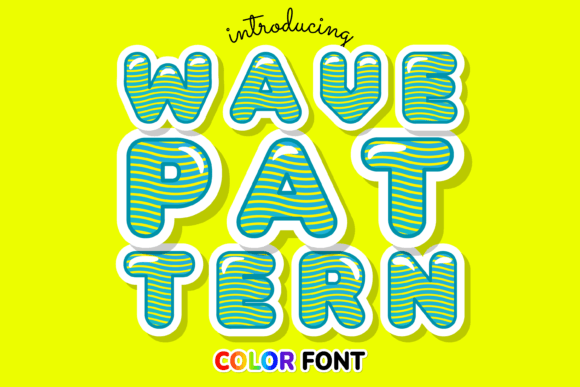
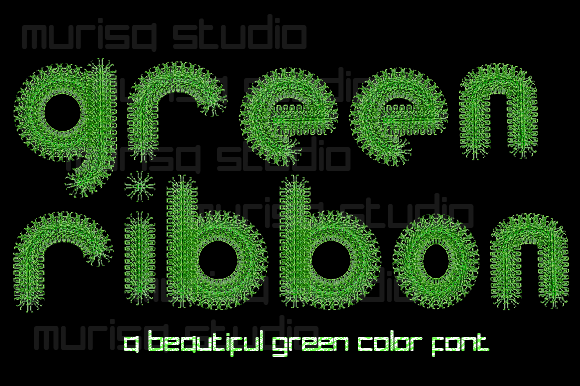
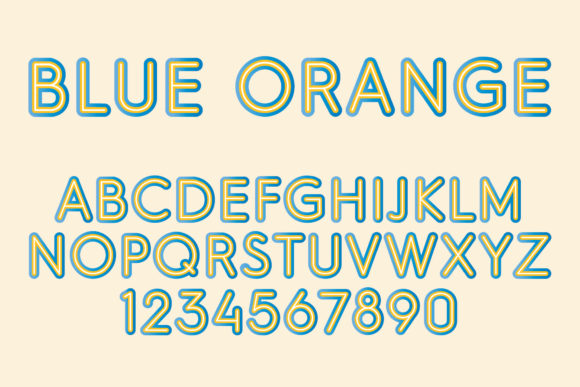
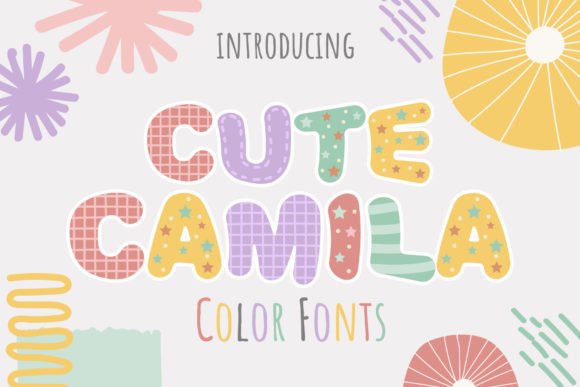
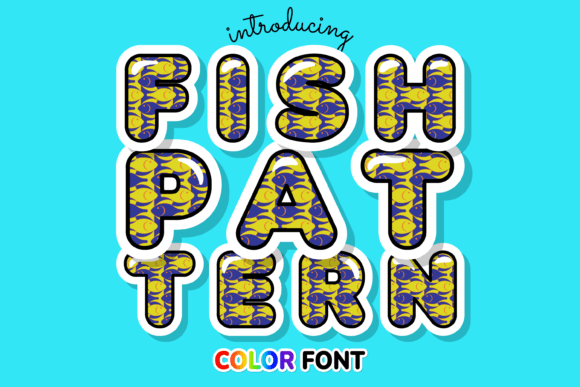
Let's talk about a font that refuses to be ignored. Fish Pattern isn't your standard set of letters; it's a color font, a modern typography asset that injects immediate personality and visual texture into any project. Imagine the intricate, overlapping scales of a koi or the vibrant, repeating motifs found on tropical fish translated directly into letterforms. That's the core of its appeal. The characters themselves are composed of detailed, multicolored patterns, giving each word a built-in sense of movement and artistry. This isn't a subtle serif font or a clean sans serif; it's a statement piece, a display font designed to be the focal point. Its visual style leans into a playful, almost decorative arts feel, making it perfect for work that needs a touch of whimsy, energy, or handcrafted charm.
Where This Creative Font Truly Shines
Understanding where to deploy a font like Fish Pattern is key to its success. It's not for body text in a novel or a corporate annual report. Its strength lies in applications where high visual impact and instant personality are required. Think of it as a design asset for moments that need to pop.
For brand identity and logo design, particularly for businesses in creative industries, children's products, boutique food brands, or artisanal crafts, Fish Pattern can become a recognizable cornerstone. A bakery named "The Gilded Scale" or a children's boutique called "Fin-tastic Finds" would find an immediate ally in this typeface. It sets a tone before a customer even reads the tagline.
In marketing and social media graphics, this font cuts through the noise. A headline for a summer sale, an Instagram story announcing a new product line, or a poster for a community festival can leverage its patterned letters to grab attention in a crowded feed. It works exceptionally well for short, punchy phrases where the visual treatment is part of the message.
For publishing and editorial design, consider its use in book covers for specific genres—whimsical fiction, fantasy, or children's books—or for chapter headings and pull quotes in a magazine spread about tropical destinations or art installations. It adds a layer of curated design that plain text simply cannot achieve. Similarly, in packaging design, it can transform a product label into a piece of art, suggesting the care and creativity within.
The Practical Side: Using a Color Font
Adopting a color font like Fish Pattern requires a slightly different approach than working with standard fonts. First and foremost, compatibility is crucial. This is an OpenType-SVG font, which means it contains embedded color data. It works seamlessly in modern versions of Adobe Photoshop, Illustrator, and design software like Silhouette Studio and Inkscape. However, it's important to note that the OTF/TTF files are not compatible with Cricut design space, a critical consideration for crafters planning to use the font for cutting projects.
When you choose Fish Pattern for a project, think about its visual hierarchy. Use it for headlines, logos, or key graphic elements, then pair it with a more neutral companion. A clean sans serif font for subheadings or body copy creates balance, allowing the patterned font to stand out without overwhelming the viewer. This font pairing strategy is essential for maintaining readability and a professional brand perception. The font's inherent detail means it performs best at larger sizes where the pattern can be fully appreciated.
Evaluating Fit and Licensing
Before committing, ask yourself: does this font's personality align with my project's goals? Fish Pattern communicates creativity, fun, and a certain artisanal quality. If your brand identity is built on minimalist austerity or serious corporate authority, it likely isn't the right fit. But if you're targeting an audience that values uniqueness, craft, and visual delight, it could be a perfect match.
Always review the included files and any provided style options. Some color fonts come with alternate characters or additional assets. For commercial projects, verify the licensing terms. A premium font like this typically comes with a license that covers most standard commercial uses, but it's your responsibility to ensure it covers your specific application, whether for a client's logo, merchandise, or digital product.
Ultimately, Fish Pattern is a specialized tool. It won't solve every design problem, but when used thoughtfully in the right context, it can elevate a project from ordinary to memorable. It's a way to build brand recognition through unique typography and to inject a sense of engagement into your visual communications. Test it out, see how it feels with your other design assets, and let its unique pattern work for you where it counts.