Japanese Weave: An Incredibly Cool Color Font for Creative Designs
There’s a moment in every design project where the right element doesn’t just fit—it elevates everything around it. That’s the feeling Japanese Weave brings to the table. This isn’t just another typeface; it’s a visual experience. As a premium font and an incredibly cool color, it immediately injects personality, depth, and a modern artistic flair into any creation. Whether you’re crafting a custom logo, designing social media graphics, or adding a unique touch to DIY projects, this creative font offers something genuinely special. It moves beyond static letterforms, using color and texture to create letters that feel woven into the fabric of your design.
More Than Just Letters: The Visual Character of Japanese Weave
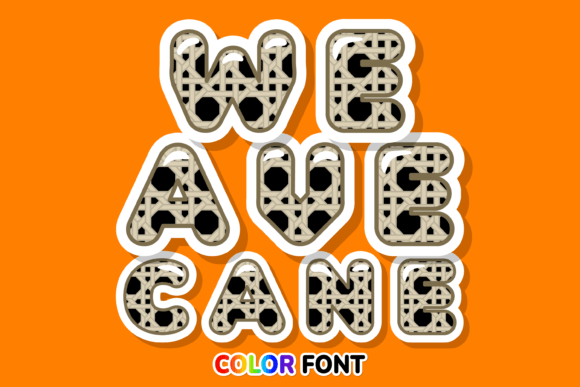
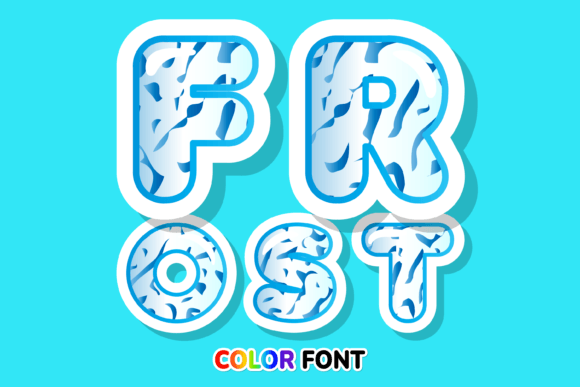
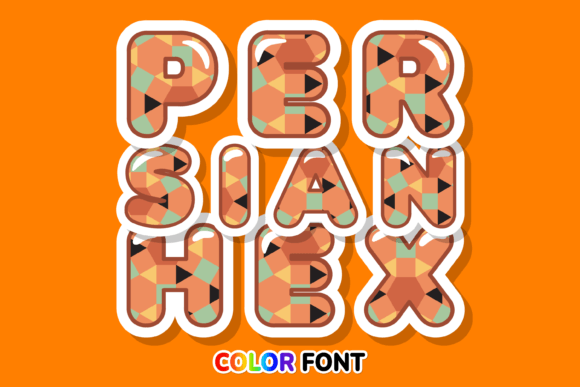
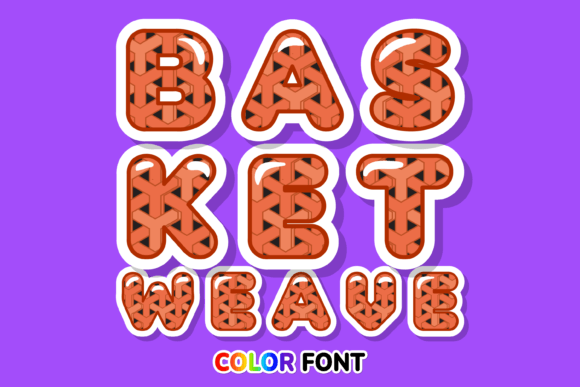
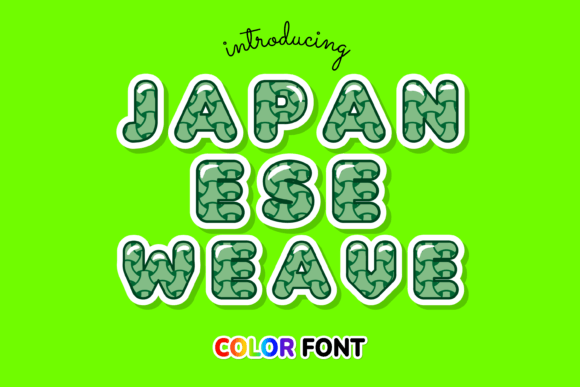
At its core, Japanese Weave is a display font defined by its intricate, layered appearance. The letters are constructed with overlapping strokes that mimic the look of woven threads or braided fibers. This creates a captivating sense of dimension and movement. The color aspect—thanks to its OpenType-SVG technology—means the texture and shading are built directly into the font file, allowing for complex color transitions and patterns that would be time-consuming to achieve manually. Its personality is bold, artistic, and unmistakably contemporary. It carries a certain artisanal quality, reminiscent of textile crafts, yet its execution feels fresh and digital-native. This duality makes it versatile for both brand identity projects seeking authenticity and modern typography applications that demand visual impact.
As a serif font or sans serif font alternative, it doesn’t play by traditional rules. It’s a standalone statement piece. Its strength lies in headlines, titles, and short bursts of text where its detailed texture can be fully appreciated without compromising readability at larger scales. Think of it as the focal point of a design, the element that draws the eye and sets a distinct mood.
Where Japanese Weave Truly Shines: Practical Applications
Understanding where a font like Japanese Weave works best is key to leveraging its power. Its unique construction makes it ideal for specific contexts where impact and aesthetics are prioritized over dense body copy.
- Logo Design & Brand Identity: For brands in creative industries—boutique studios, artisanal product lines, modern cafes, or tech startups with an innovative edge—this font can form the cornerstone of a memorable logo. Its woven texture suggests craftsmanship, attention to detail, and a blend of tradition and innovation. Pair it with a clean, geometric sans serif font for body text to maintain balance.
- Editorial & Packaging Design: Magazine covers, book titles, or product packaging for premium goods benefit immensely. A headline set in Japanese Weave on a minimalist package can communicate luxury and artistry instantly. It’s particularly effective for products related to fashion, design, home goods, or specialty foods.
- Digital & Social Media Graphics: In the fast-scrolling world of social media, stopping power is everything. This font excels as a hero element in Instagram posts, YouTube thumbnails, Pinterest pins, and website hero banners. Its color and texture ensure it stands out in a crowded feed. When used in web design, it should be reserved for key headings or promotional elements to ensure fast loading times and compatibility.
- Event & Marketing Materials: Invitations for design-focused events, promotional posters for workshops, or marketing collateral for creative services can all be elevated. It conveys that the event or service is cutting-edge and detail-oriented.
It’s important to note its technical nature. As a color font in the OpenType-SVG format, its compatibility is key. It works seamlessly in PhotoShop, Illustrator, Silhouette, and Inkscape. This makes it a powerful tool for graphic designers, crafters using cutting machines, and digital artists. However, it’s crucial to remember that the standard OTF/TTF files are not compatible with Cricut. Always verify your software supports color fonts before purchasing for specific projects.
Integrating Japanese Weave Into Your Design Workflow
Choosing and using a specialized font like this requires a thoughtful approach. Here’s how to make it work for you.
Evaluating Project Fit
Ask yourself: Does the project’s tone align with the font’s personality? Japanese Weave suggests creativity, sophistication, and a modern edge. It might not suit a formal legal document or a children’s storybook, but it’s perfect for a design portfolio, a music festival poster, or a boutique skincare brand. Its visual weight is heavy, so use it sparingly to avoid overwhelming a layout.
Mastering Font Pairings
The golden rule for a complex display font is simplicity elsewhere. Pair Japanese Weave with a highly legible, neutral typeface for supporting text. A clean sans serif font like Helvetica, Arial, or a modern grotesque often works best. For a more classic contrast, a simple serif font with low ornamentation can also complement it. Avoid pairing it with other decorative, script font, or handwritten font styles, as this will create visual chaos. Let Japanese Weave be the star.
Testing for Readability and Hierarchy
Always test the font at the actual size it will be used. While stunning at large scales, its intricate details may merge or become unclear if reduced too much. Use it to establish a clear visual hierarchy: set your main headline in Japanese Weave and use your chosen supporting font for subheadings and body copy. This creates a clean, professional structure that guides the reader’s eye effectively.
Reviewing Styles and Licensing
Before finalizing your design, review all the included styles and glyphs in the font package. Some premium fonts include alternate characters, ligatures, or stylistic sets that can add further customization. Furthermore, ensure the license covers your intended use—whether for personal projects or commercial work. A legitimate commercial font license protects both you and the font creator.
In the end, Japanese Weave is more than a design asset; it’s a tool for storytelling. It allows designers, entrepreneurs, and creators to weave a narrative of quality, innovation, and aesthetic care directly into their typography. By applying it thoughtfully, you can transform a good design into one that is truly engaging and memorable.