Candy Cane Elf: A Festive Color Font for Holiday Designs
When a project calls for more than just letters—when it needs an immediate dose of holiday magic—the right typeface does the heavy lifting. Candy Cane Elf is one of those rare display fonts that arrives fully formed, not as a blank slate, but as a complete, illustrated character. It’s a premium font that functions less like traditional typography and more like a set of decorative design assets, each glyph a tiny, festive vignette. For designers, crafters, and business owners, understanding its unique nature is key to using it effectively.
More Than a Font: A Handcrafted Illustration System
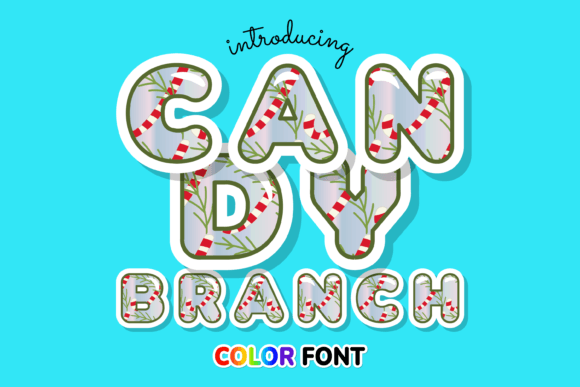
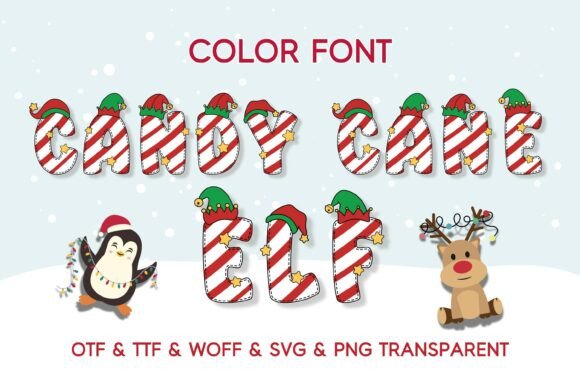
Forget the idea of a standard vector outline. Candy Cane Elf is an SVG color font, meaning each letter is a full-color, high-resolution illustration. Visually, every character is crafted to resemble a stitched, candy-striped fabric appliqué. The letters feature soft, rounded forms, a classic red-and-white peppermint pattern, and a distinct, handcrafted texture that suggests embroidery or felt. Perched atop each glyph is a tiny, whimsical elf hat, and the entire design is sprinkled with delicate golden stars, adding a layer of sparkle and depth. The overall personality is undeniably playful, charming, and bursting with nostalgic Christmas cheer.
This creative font provides an instant, complex effect. There’s no need to layer textures, apply effects, or search for illustrations. The character itself is the decoration. This makes it an incredibly efficient tool for projects where time is short and impact is high. It’s a cornerstone design asset for anyone in the holiday space, transforming simple headlines into joyful statements.
Strategic Applications: Where This Holiday Font Shines
The strength of Candy Cane Elf lies in its specificity. It’s not a workhorse body copy font; it’s a specialized instrument for seasonal celebration. Its best applications are those where a burst of personality and handcrafted warmth is the primary goal.
In print and packaging design, it’s a natural for holiday greeting cards, festive party invitations, and product packaging for seasonal treats. Imagine a bakery’s Christmas cookie box or a boutique’s gift tag using this typeface for the headline. The effect is immediate charm and a perception of care and quality. For scrapbooking and crafters, it’s a dream, adding a perfectly themed, dimensional look to layouts, stickers, and handmade ornaments without any design software expertise.
For digital creators, its role is equally powerful. It can elevate a social media graphics series for a December campaign, make a holiday blog header unforgettable, or create a standout title for a children’s e-book. When used thoughtfully, it contributes significantly to brand identity during the holiday season, helping a brand feel more approachable, fun, and festive. However, its detailed nature means it’s best reserved for headlines, logos, or short phrases rather than body text, where its intricate details could become a visual jumble at small sizes.
Practical Guide: Pairing, Readability, and Licensing
Integrating a display font like this requires a strategic approach to font pairing and hierarchy. The golden rule is contrast and balance. Candy Cane Elf’s busy, colorful, and playful nature demands a clean, simple counterpart to ensure readability and visual clarity.
- The Ideal Partner: Pair it with a clean sans serif font or a simple serif font. A neutral, geometric sans serif (think Montserrat, Lato, or Open Sans) can provide a modern, stable foundation that lets the festive headlines pop. A classic, readable serif like Georgia or Garamond can add a touch of elegance. The goal is to let Candy Cane Elf be the star of the show while the supporting text does its job quietly.
- Readability First: Always test the font at the intended size and on the intended background. Its strength is in its illustration, which can reduce legibility if overused or set too small. Reserve it for titles, subheadings, or single words where its charm can be appreciated without straining the reader’s eye.
- Evaluating Project Fit: Ask yourself: Does this project need to feel whimsical, handmade, and explicitly festive? If the answer is a resounding yes, it’s a strong candidate. If the project requires sophistication, minimalism, or serious tone, this is not the right tool.
- Licensing and Formats: A key benefit of a commercial font like Candy Cane Elf is the clarity of its license for professional use. It typically comes in multiple formats (OTF, TTF, WOFF, SVG, PNG) to cover everything from print design to web use. Always review the specific license to ensure it covers your intended application, whether for a client’s product packaging or your own editorial design project.
Ultimately, Candy Cane Elf is a specialized tool in the modern typographer’s kit. It doesn’t replace a good handwritten font or a versatile script font; it occupies its own niche as a joyful, decorative asset. Used with intention, it can inject an unparalleled level of festive character into a project, making seasonal communications feel genuinely special and deeply connected to the spirit of the holidays. It’s a reminder that sometimes, the most effective design choice is one that embraces pure, unadulterated fun.