Daffodil: The Floral Color Font for Distinctive Designs
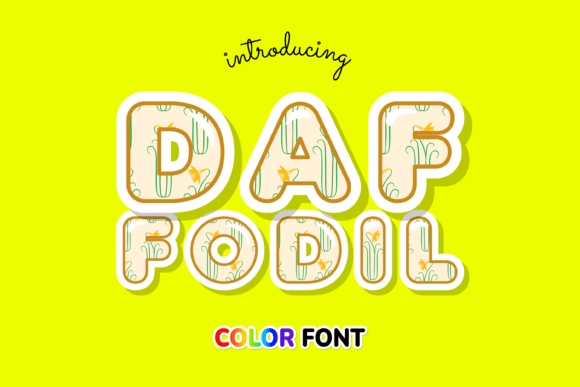
Finding a typeface that carries genuine personality can feel like searching for a needle in a haystack. Many fonts are functional, but few have the ability to evoke a specific mood or season instantly. Daffodil manages to do exactly that. It is an incredibly cool floral color font that captures the vibrant essence of springtime blooms. Whether you are working on custom designs, DIY crafts, or professional digital assets, this typeface offers a lovely, organic touch that standard black-and-white fonts simply cannot replicate.
Understanding the "Color Font" Technology
Before diving into the design applications, it is crucial to understand what makes Daffodil different from your average typeface. This is not just a vector outline filled with a solid color. It is a premium font utilizing OpenType-SVG technology. In simple terms, the font file contains high-fidelity bitmap data or vector gradients that allow for multi-color and textured appearances directly within the text.
When you type a letter using Daffodil, you aren't just rendering a shape; you are displaying a detailed illustration. The result is a rich, textured look that mimics real-world materials or, in this case, intricate floral patterns. However, this technology comes with specific technical requirements. Daffodil is compatible with professional design software including Adobe Photoshop, Adobe Illustrator, Silhouette, and Inkscape.
Important Note on Compatibility: Because this is a color font, it is not compatible with standard OTF/TTF rendering engines used by Cricut machines. If you are a crafter using Cricut, you will need to rasterize the text in a compatible program first or use a different asset. Always check your software capabilities before purchasing to ensure a smooth workflow.
The Visual Character of Daffodil
The style of Daffodil leans heavily into organic aesthetics. It avoids the rigid geometry of a modern sans serif font or the stern structure of a traditional serif font. Instead, it functions as a display font with the heart of a script font or handwritten font. The letterforms are likely adorned with botanical illustrations, creating a visual language that is soft, inviting, and inherently feminine or pastoral.
Because the texture is built into the glyph, the visual hierarchy in your design shifts. You don't need heavy drop shadows or complex layering to make this text stand out. The "ink" carries the visual weight. However, this complexity means readability changes. Daffodil is rarely suited for long-form body text or technical manuals. It is a creative font designed for impact. It shines brightest when used for short, punchy headlines, logos, or call-outs where the viewer can appreciate the detail in the letterforms without straining their eyes.
Strategic Applications for Designers and Brands
How you use Daffodil depends on your medium. For brand identity projects, this font is a strong candidate for businesses in the wedding industry, botanical gardens, organic skincare, or boutique bakeries. It instantly communicates "hand-crafted" and "natural."
Here are specific scenarios where Daffodil excels:
- Packaging Design: Use it for product labels on jams, candles, or artisanal goods. The floral texture adds perceived value to the product without needing expensive embossing or foil stamping.
- Social Media Graphics: In a feed dominated by stark sans-serifs, a floral display font stops the scroll. It is perfect for quotes, announcements, or seasonal sale banners.
- Editorial Design: In magazines or blogs, use Daffodil for pull quotes or chapter titles to break up the monotony of standard web design typography.
- DIY and Crafts: For Silhouette users creating decals, tote bags, or greeting cards, this font provides a ready-made design element. You don't need to add graphics around the text; the text is the graphic.
Mastering Font Pairing and Hierarchy
One of the most common mistakes with color fonts is pairing them incorrectly. Because Daffodil is visually dense and detailed, pairing it with another ornate script font or a heavy decorative font will result in visual chaos. The rule of contrast applies here more than anywhere else in modern typography.
To create a balanced visual hierarchy, pair Daffodil with something clean and understated. A geometric sans serif font is often the best choice. For example:
- The Headline: Set your main message in Daffodil. Keep it short—three to five words maximum.
- The Sub-headline: Use a medium-weight sans-serif to explain the offer or context.
- The Body: Use a legible serif or sans-serif for the fine print.
This approach ensures that the Daffodil font remains the hero of the design while the supporting text ensures the message is actually readable. This consistency across your layout helps maintain professionalism while showcasing creativity.
Practical Tips for Using Daffodil
When integrating Daffodil into your design assets, consider the background. Since the font contains complex colors and textures, it can get lost on busy photographic backgrounds. It performs best on solid, contrasting colors or simple, blurred backgrounds.
Furthermore, treat this font as a design element rather than just a communication tool. In logo design, for instance, you might find that the "D" in Daffodil is particularly beautiful. You could potentially isolate that letter to create a monogram or icon for your brand, extending the utility of the font beyond just typing words.
For those concerned about licensing, always verify if the commercial font license covers your specific output. Most licenses cover physical and digital products, but if you are creating a massive run of print-on-demand merchandise, it is wise to double-check the terms of service.
Ultimately, Daffodil is more than just a typeface; it is a mood setter. It brings the warmth of a garden into the digital space, making it an invaluable asset for anyone looking to add a touch of nature and elegance to their work.